
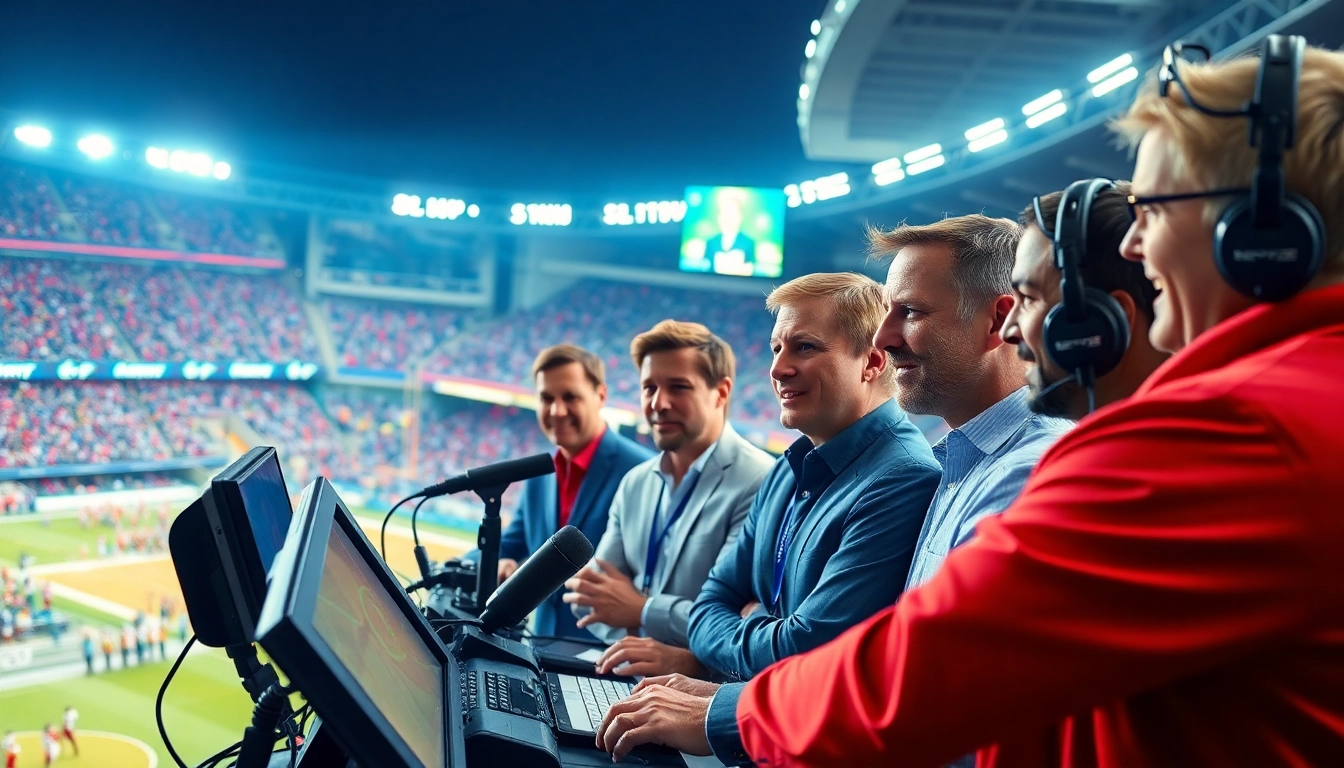
Understanding the Foundation of Sports Broadcasting
Sports broadcasting has become an integral part of the sports industry, offering real-time coverage and analysis that enhance the viewer experience. It combines various elements, including journalism, entertainment, and real-time demographic insights, to cater to diverse audiences. This article explores the complexities of sports broadcasting, providing a comprehensive guide for aspiring and seasoned broadcasters alike. For a deeper understanding of the intricacies involved in Sports Broadcasting, visit Sports Broadcasting.
The Evolution of Sports Broadcasting
Over the years, sports broadcasting has evolved from simple radio commentary to multifaceted platforms that utilize cutting-edge technology. The journey began in the early 20th century with radio broadcasts allowing fans to connect with their favorite teams. The advent of television in the 1950s revolutionized the industry, bringing games into homes and widening audiences.
In the digital age, streaming platforms have emerged, allowing sports to be consumed on multiple devices anytime and anywhere. As viewership continues to shift towards digital platforms, broadcasters must adapt to new consumer preferences and technologies to remain relevant.
The Role of Technology in Sports Broadcasting
Technology plays a pivotal role in shaping the sports broadcasting landscape. High-definition cameras, drones, and augmented reality create immersive experiences that draw in audiences. Advanced analytics and data visualization tools can enhance storytelling by providing viewers with metrics they can digest easily.
Additionally, social media integration allows for real-time engagement and interaction, fostering a community around events. Broadcasters who embrace these technologies can create a more dynamic and enjoyable viewing experience, ultimately leading to increased viewer retention.
Key Principles for Effective Sports Broadcasting
To succeed in sports broadcasting, several key principles must be adhered to:
- Accuracy: Providing accurate information is vital. Misleading statistics or incorrect player names can erode viewer trust.
- Clarity: Communicate complex data and details in a clear and engaging manner to make them accessible to all viewers.
- Engagement: Building a connection with the audience is crucial. Utilize storytelling and personal anecdotes to create emotional ties.
- Adaptability: The landscape of sports broadcasting is ever-changing; being able to pivot and adapt is pivotal for long-term success.
Best Practices for Engaging Audiences
Building Effective Communication Skills
Effective communication is at the heart of successful sports broadcasting. Broadcasters must hone their verbal skills to convey information engagingly and clearly. Techniques such as varying your tone, using pauses for emphasis, and maintaining a conversational style can significantly improve audience engagement.
Active listening is also essential; understanding audience responses and adapting on the fly can create a more interactive atmosphere. Training sessions and practice, combined with feedback, can enhance communication skills over time.
Creating Compelling Storylines in Sports Broadcasting
Every game presents an opportunity for storytelling. Highlighting players’ backgrounds, rivalries, and controversies adds depth to broadcasts. The art of weaving narratives not only entertains but also fosters a stronger viewer connection. Successful broadcasters utilize pre-game, in-game, and post-game segments to develop these narratives.
Utilizing background information and live statistics can enhance these stories, allowing viewers to understand context and stakes better. For instance, sharing a player’s journey or a team’s season highlights elevates the broadcast and brings in emotional engagement.
Leveraging Social Media for Wider Reach
Social media serves as a powerful tool for expanding the reach of sports broadcasts. Platforms like Twitter, Instagram, and Facebook allow broadcasters to share highlights, behind-the-scenes content, and engaging posts to entice viewers. Real-time interactions through social media can turn viewers into active participants, making the viewing experience more immersive.
Developing a comprehensive social media strategy that aligns with broadcasting content can amplify engagement and drive viewer loyalty. For example, live tweeting during games or hosting Q&A sessions significantly increases audience involvement.
Technical Skills Every Sports Broadcaster Needs
Equipment Essentials for Sports Broadcasting
Choosing the right equipment is critical for any sports broadcaster. Essential items include microphones, cameras, and broadcasting software. High-quality microphones ensure clear audio, while professional-grade cameras capture crisp visuals, making the broadcast engaging for viewers.
Investing in broadcasting software that supports editing, streaming, and graphics integration can significantly enhance production quality. Additionally, understanding how to operate this equipment is as important as the equipment itself, necessitating training and familiarity to ensure smooth operations during broadcasts.
Enhancing Audio and Visual Quality
High-quality audio and visuals significantly enhance the viewer experience in sports broadcasting. Factors like ambient noise reduction and microphone positioning can greatly impact audio quality. Similarly, ensuring proper lighting for video capture will produce a more pleasing visual product.
Utilizing techniques such as multi-camera setups can also provide diverse visuals, thus enriching the storytelling experience. Broadcasters should consistently review and refine their technical setups to adapt to new standards and audience expectations.
Understanding Live Production Techniques
Live broadcasting presents unique challenges that require finesse and quick thinking. Understanding live production techniques, including directing, camera work, and on-the-fly editing, is essential for success. Coordination and teamwork among production staff can significantly optimize live broadcasts, as each member plays a crucial role.
Practicing live situational scenarios can prepare the team for unexpected events, ensuring a seamless viewer experience despite potential setbacks.
Overcoming Common Challenges in Sports Broadcasting
Dealing with Unexpected Events during Broadcasting
Broadcasting live sports comes with unforeseen challenges such as technical difficulties, player injuries, or weather interruptions. Developing contingency plans is essential. Broadcasters should maintain a flexible mindset, using alternative content or engaging storylines to fill gaps during downtimes.
Communication with the production team can help alleviate stress when dealing with emergencies. Transparency with the audience about any issues can also maintain trust and connection, allowing for a more cohesive viewing experience.
Managing Time Constraints Effectively
Time management is crucial in sports broadcasting, especially during live events. Broadcasters often have limited time to convey information, conduct interviews, and handle various segments. Preparing detailed outlines post-event helps maintain focus.
Practicing concise and impactful communication can enable broadcasters to deliver quality content efficiently. Time checks and rehearsals can improve pacing and help adhere to broadcast schedules.
Maintaining Objectivity as a Sports Broadcaster
Objectivity is fundamental for sports broadcasters. While personal biases can influence commentary, maintaining neutrality creates credibility. Training and self-awareness can buffer broadcasters against letting emotions overtake professional obligations.
Using facts and balanced perspectives helps ensure fair coverage, building audience trust and respect. Regularly seeking feedback from peers can assist in maintaining this objectivity in storytelling and commentary.
Measuring Success in Sports Broadcasting
Analyzing Audience Engagement Metrics
Measuring success in sports broadcasting often hinges on audience engagement metrics. These can include viewership numbers, social media interactions, and audience feedback. Tools like analytics software can provide insights into viewer behavior, helping broadcasters understand which content resonates best.
These metrics can inform future strategies, allowing broadcasters to tailor content and delivery methods that better suit their audience. Regular evaluation of these metrics is crucial for continuous improvement and engagement enhancement.
Feedback Loops and Continuous Improvement
Creating feedback loops fosters an environment of continuous improvement. Regular surveys and audience polls can yield valuable insights into viewer preferences and perceptions. Utilizing constructive feedback allows broadcasters to refine their techniques and the overall broadcast experience.
Incorporating a culture of regular training and skill enhancement can significantly improve the quality of sports broadcasting while ensuring the team remains agile in adopting new ideas and practices.
Case Studies of Successful Sports Broadcasting
Examining successful case studies within sports broadcasting can reveal best practices and strategies that work. Notable broadcasts often emphasize storytelling, technical excellence, and audience engagement as common themes. By reviewing these cases, broadcasters can glean insights into effective practices that can be applied in their own work.
Analyzing the response to different strategies, such as the integration of social media engagement or thematic content, can offer practical insights that can drive innovation in the broadcasting landscape.
FAQs
What are the essential skills for sports broadcasters?
Essential skills include strong communication, storytelling, adaptability, and technical knowledge of broadcasting equipment and methods.
How has technology impacted sports broadcasting?
Technology has enhanced sports broadcasting through improved audio-visual quality, real-time data analysis, and interactive viewer experiences via streaming platforms and social media.
What role does audience engagement play in sports broadcasting?
Audience engagement enhances viewer loyalty, expands reach, and creates interactive experiences, ultimately contributing to higher ratings and satisfaction.
How can broadcasters deal with unexpected events?
Developing contingency plans, maintaining communication with the production team, and being adaptable can help broadcasters manage unforeseen situations effectively.
What metrics are important for measuring broadcast success?
Key metrics include viewership numbers, social media interactions, audience feedback, and engagement analytics, all of which inform improvements.